March 03, 2026
Retinol in Spring: Do You Pause It or Push Through?
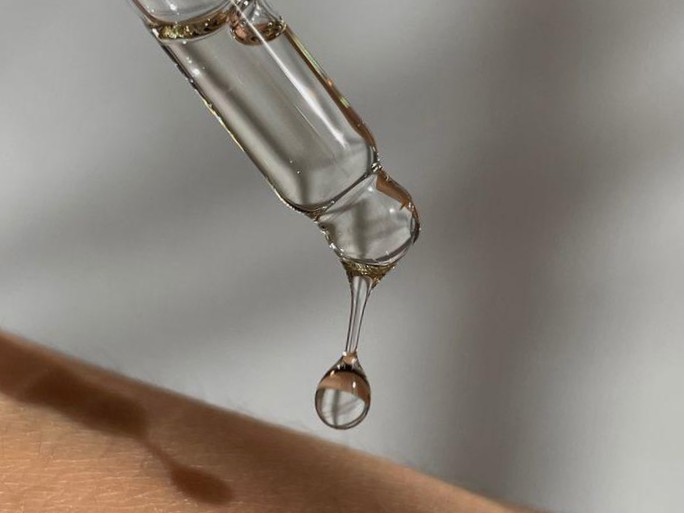
Spring shows up, and suddenly everyone becomes a retinol expert.
“Stop using it.”
“Keep going.”
“Switch to something gentler.”
“Now’s the time to go stronger.”
Meanwhile, your skin is just trying to adjust to longer days and stronger sun.
So what’s the right move?
The honest answer: it depends on your skin, your tolerance, and how disciplined you are with sunscreen.
Let’s break it down properly.
What Retinol Is Actually Doing
Retinol is a vitamin A derivative and one of the most clinically studied ingredients in skincare. It works by increasing cellular turnover and stimulating collagen production in the deeper layers of the skin.
In real terms, that means it helps:
- Soften fine lines and wrinkles.
- Improve texture and roughness.
- Fade hyperpigmentation and dark spots.
- Unclog pores and reduce breakouts
- Support firmer, more resilient skin over time.
It’s not a quick fix. It’s a long-term strategy. And consistency is what makes it powerful.
Why Spring Changes the Conversation
Retinol itself isn’t “dangerous” in spring. The sun is the variable.
As retinol accelerates turnover, newer skin cells reach the surface more quickly. These fresh cells are more susceptible to UV exposure. Add in longer daylight hours and more time outdoors, and the margin for error shrinks.
Winter was forgiving, but spring is not.
That doesn’t mean you panic. It means you become intentional.
When You Can Continue (With Smart Adjustments)
You likely don’t need to stop if:
- Your skin has been on retinol for at least 3–4 months.
- There’s no ongoing redness or irritation.
- You’re not experiencing active peeling.
- Your skin barrier feels stable.
- You wear SPF daily without exception.
If that’s you, here’s how to adapt for spring:
- Use retinol only at night.
- Consider reducing frequency to 2–4 times per week.
- Pair it with barrier-supportive ingredients like ceramides, peptides, and niacinamide.
- Apply SPF 30+ every single morning.
- Reapply sunscreen every two hours if outdoors
Retinol and spring can coexist; however, discipline is the difference.
When It’s Smarter to Pull Back
Spring isn’t always the ideal time to start retinol from scratch.
You may want to pause or reduce use if:
- You’re new to retinol.
- Your skin feels tight, reactive, or easily irritated.
- You’re seeing persistent redness.
- You’ve been inconsistent with sunscreen.
- You’re planning extended outdoor exposure or travel
Starting retinol while UV exposure increases can amplify irritation and make skin harder to manage.
Sometimes a short reset protects your long-term progress.
If Your Barrier Needs a Reset
Before blaming retinol, assess your barrier.
Signs it may be compromised:
- Products sting on application
- Skin feels tight even after moisturizing.
- Redness lingers longer than usual.
- Sensitivity to products you previously tolerated
If this sounds familiar, pause activities for about a week.
Focus only on:
- Gentle cleanser
- Hydrating serum
- Barrier-repair moisturizer
- Broad-spectrum SPF
Once skin feels calm and balanced, reintroduce retinol slowly.
Healthy barrier first. Results second.
Choosing the Right Retinol for Spring
Sometimes it’s not about stopping. It’s about switching to a smarter formulation.
Here’s what we reach for depending on skin type:
- ZO Skin Health Retinol Skin Brightener 0.5%
Ideal for pigmentation and uneven tone. It combines retinol with brightening support and hydrating components to reduce irritation. Great for combination skin that wants visible correction without excessive dryness. - SkinCeuticals Retinol 0.3%
A strong option for beginners or sensitive skin. The controlled-release delivery system helps minimize irritation while still promoting turnover. Perfect for transitioning into sunnier months. - iS Clinical Retinol+ Emulsion 0.3%
Excellent for oilier or acne-prone skin types. Lightweight, supportive of barrier health, and suitable for warmer, more humid conditions.
Formulation matters. Strength alone doesn’t determine results; tolerance does.
The Bottom Line
Spring doesn’t automatically mean stop; it means reassessment.
If your skin is stable and your SPF habits are solid, you can continue, strategically.
If your barrier is struggling or your sun exposure has increased significantly, it may be time to reduce frequency or pause temporarily.
Skincare should evolve with the season.
Not Sure Where You Stand?
The smartest move isn’t guessing.
We evaluate your tolerance, barrier health, lifestyle, and sun exposure, then build a spring plan that keeps your progress intact without compromising your skin.
Because retinol isn’t the enemy, poor planning is.
Book your consultation and let’s adjust your routine the right way.